Rear diffusers are one of the most popular upgrades for car enthusiasts who want to enhance their vehicle’s performance and aesthetics. Mounted beneath the rear bumper of a car, diffusers optimize airflow at the back of the vehicle, reducing drag, generating downforce, and improving overall stability at high speeds. But when it comes to selecting a rear diffuser, there’s one key consideration that stands above the rest: the material.
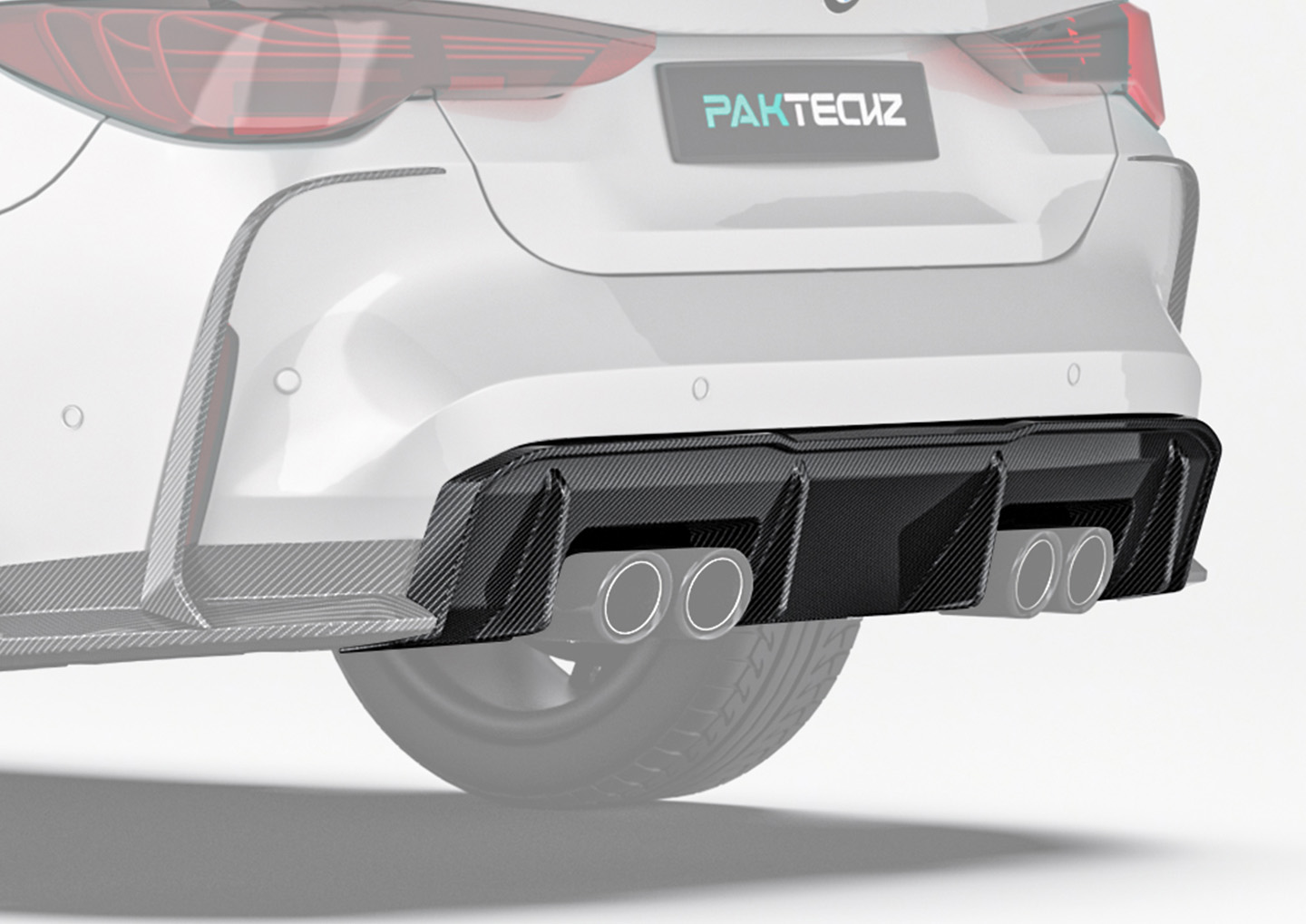
Choosing the right material for your rear diffuser isn’t just about strength and functionality—it’s also about aesthetics, weight, and durability. Among the most commonly used materials, carbon fiber stands out as one of the best options available. But why does it outperform other materials like fiberglass, ABS plastic, and aluminum? In this blog, we’ll break down the best materials for rear diffusers, focusing on the advantages of
carbon fiber rear diffusers and why they are often considered the gold standard.
What Materials Are Commonly Used for Rear Diffusers?
Before diving into why carbon fiber is such a popular choice, let’s look at the most common materials used for rear diffusers and their pros and cons:
1. ABS Plastic
ABS plastic is a common material for mass-produced and budget-friendly rear diffusers.
Pros:
Affordable: ABS is one of the cheapest materials available.
Lightweight: It’s lighter than some metals like aluminum, though still heavier than carbon fiber.
Good for Casual Drivers: Ideal for drivers who prioritize affordability over full performance benefits.
Cons:
Strength: Less durable than other materials—prone to cracking or warping over time.
Aesthetics: Lacks the premium look of higher-end materials like carbon fiber.
2. Aluminum
Aluminum is a solid option for rear diffusers, particularly if strength and durability are priorities.
Pros:
Durable and Affordable: Aluminum is strong and moderately priced.
Corrosion-Resistant: Great for long-term use in various weather conditions.
Decent Weight: Lighter than steel but heavier than ABS or carbon fiber.
Cons:
Heavier Than Carbon Fiber: Its weight can negatively affect performance in vehicles where every pound counts.
Basic Appearance: Aluminum lacks the sleek, performance-focused visual appeal of carbon fiber.
3. Fiberglass
Fiberglass is another lightweight material often used for aftermarket rear diffusers.
Pros:
Lightweight: Much lighter than aluminum and similar in weight to ABS plastic.
Affordable: Cheaper than carbon fiber while lighter than aluminum.
Cons:
Fragility: Fiberglass can crack easily when impacted.
Paint Required: Fiberglass typically comes unpainted and needs additional finishing, adding cost.
4. Carbon Fiber
Carbon fiber is widely regarded as the best material for rear diffusers, particularly for those who prioritize performance and aesthetics.
Pros:
Lightweight: Carbon fiber is extremely light, providing performance benefits by reducing overall car weight.
High Strength-to-Weight Ratio: It’s significantly stronger than both ABS plastic and fiberglass while weighing much less.
Improved Aerodynamics: The reduced weight minimizes drag and improves high-speed stability.
Durable: Resistant to wear, cracking, corrosion, and warping.
Aesthetic Excellence: The unmistakable woven texture and glossy finish of carbon fiber create a premium, race-ready look.
Resale Value: Cars with carbon fiber components (like rear diffusers) often retain their value better thanks to the material’s premium reputation.
Cons:
Cost: Carbon fiber is one of the most expensive materials due to its complex manufacturing process.
Scratches and Scuffs: While carbon fiber itself is durable, scratches on the glossy resin finish can become visible if not maintained properly.
Why Carbon Fiber Diffusers Are the Best Option
While ABS plastic is budget-friendly and aluminum offers durability, carbon fiber rear diffusers are often considered the superior choice among car enthusiasts and professionals alike. Here’s a closer look at why carbon fiber is worth the investment:
1. Lightweight for Better Performance
One of the standout benefits of carbon fiber diffusers is their weight savings. Carbon fiber is up to 50% lighter than steel and lighter than both ABS plastic and aluminum. Reducing weight has a direct impact on:
Acceleration: A lighter car requires less energy to accelerate.
Handling: The reduced weight improves handling and responsiveness, making the car feel agile.
Fuel Efficiency: A lighter car uses less fuel to maintain speed, resulting in better mileage.
For performance enthusiasts, every pound matters, and carbon fiber provides the advantage needed for track or spirited driving.
2. Superior Aerodynamics
A rear diffuser is designed to improve the car’s aerodynamic efficiency by:
Reducing Drag: Carbon fiber’s light weight and smooth surface minimize drag, allowing the car to move through the air more effectively.
Generating Downforce: At higher speeds, carbon fiber diffusers help create air pressure that pushes the car closer to the ground, improving traction and stability.
3. Enhanced Aesthetics
Let’s face it: carbon fiber simply looks incredible. With its glossy, woven texture and polished finish, a carbon fiber diffuser gives your car a high-performance, luxury aesthetic. It’s no surprise that carbon fiber is the material of choice for exotic cars like Ferraris, Lamborghinis, and McLarens.
The premium look of a carbon fiber rear diffuser complements other aesthetic upgrades, such as carbon fiber side skirts or front splitters, giving your car a cohesive, race-inspired appearance.
4. Exceptional Durability
Carbon fiber isn’t just light—it’s unbelievably strong. Thanks to its high strength-to-weight ratio, carbon fiber diffusers are:
Impact-Resistant: Less prone to cracking compared to fiberglass or ABS.
Long-Lasting: Resistant to corrosion, warping, and wear even in extreme conditions.
Weatherproof: Carbon fiber retains its structural integrity and appearance in all types of weather.
If cared for properly, a carbon fiber diffuser can outlast all other materials, making it a worthwhile long-term investment.
5. Prestige and Resale Value
Let’s not ignore the fact that carbon fiber has become synonymous with luxury. Adding a carbon fiber diffuser to your car sends a clear message: this is a performance-oriented vehicle with premium modifications.
This perception can also increase the resale value of your car. Buyers often look for performance-enhancing parts, and carbon fiber components add significant value compared to plastic or aluminum alternatives.
Are There Any Downsides to Carbon Fiber?
While carbon fiber rear diffusers are the best choice for performance and aesthetics, they do have some potential drawbacks:
Higher Cost: Carbon fiber is more expensive than ABS, aluminum, or fiberglass. However, the performance and durability benefits often justify the higher price tag.
Maintenance: While the material itself is extremely strong, the glossy resin finish can be prone to scratches or scuffs. Regular cleaning and proper care are essential to maintain its appearance.
Carbon Fiber Is King
When choosing the best material for a rear diffuser, it’s important to weigh factors like weight, durability, aesthetics, and cost. While ABS plastic, aluminum, and fiberglass have their own benefits, carbon fiber rear diffusers stand out as the ultimate choice for performance car enthusiasts. Here’s why:
1. Lightweight Design: Improves acceleration, handling, and fuel efficiency.
2. Enhanced Aerodynamics: Reduces drag and increases downforce for better stability.
3. Durability: Provides resistance to wear, corrosion, and warping.
4. Premium Appearance: Delivers a sleek, race-ready, and luxurious look to your vehicle.
If you’re serious about upgrading both the functionality and appearance of your car, investing in a carbon fiber rear diffuser is a no-brainer. While it may come with a higher price tag, the long-term benefits for performance, aesthetics, and resale value outweigh the initial cost.

