If you’ve ever admired the sleek exteriors of high-performance cars or seen lightweight aircraft in action, you’ve probably come across carbon fiber. In the automotive world, carbon fiber body panels are a symbol of innovation and cutting-edge technology. But with a higher price tag than traditional materials like steel or aluminum, many wonder — are
carbon fiber body panels truly worth it?
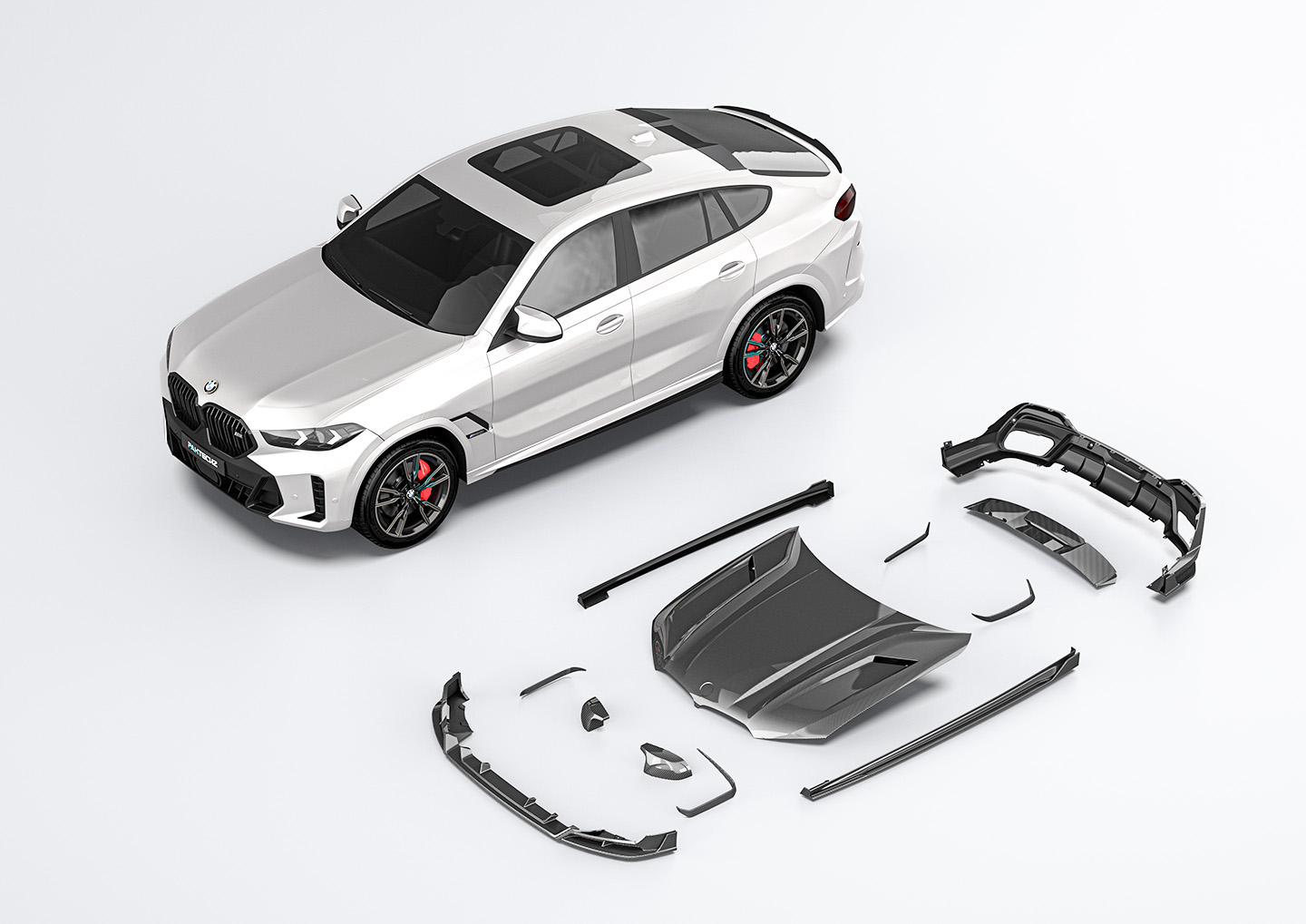
In this blog, we’ll explore their pros and cons, performance advantages, and whether they’re a worthwhile investment for your vehicle.
What Are Carbon Fiber Body Panels?
Carbon fiber is an advanced material made up of carbon atoms woven together into thin fibers and combined with resin to create lightweight, strong, and durable components. Carbon fiber body panels are used in automotive design to replace heavier materials like steel, and they’ve become a staple in the world of supercars and high-performance vehicles.
These panels not only provide aesthetic appeal but also allow vehicles to benefit from enhanced performance thanks to weight reduction and structural integrity.
The Benefits of Carbon Fiber Body Panels
1. Superior Weight Reduction
One of the biggest reasons to choose carbon fiber body panels is their incredible strength-to-weight ratio. Carbon fiber panels can weigh up to 50% less than steel and 30% less than aluminum, giving vehicles a significant decrease in overall weight. Here’s why that matters:
Improved Acceleration: A lighter car demands less energy to move, making it quicker off the line.
Better Handling: Reduced weight allows the car to corner faster and more efficiently.
Greater Fuel Efficiency: Less weight translates to less energy required to move the car, resulting in better miles per gallon.
2. Enhanced Aesthetics
The polished, glossy, and futuristic look of exposed carbon fiber panels is undeniably attractive. These panels exude luxury and exclusivity, making any car stand out. Whether you're driving a supercar or a custom-tuned vehicle, carbon fiber adds an undeniable "wow" factor.
3. Durability and Strength
Despite being ultra-light, carbon fiber isn’t brittle. It has high tensile strength and resists bending or deformation under stress, making it an excellent material for body panels. Additionally, unlike steel, carbon fiber does not rust or corrode, giving it a longer lifespan in many environmental conditions.
4. Performance Optimization
Carbon fiber panels aren’t just about shedding weight—they also improve distribution. Lowering the weight of a car’s body allows engineers to optimize weight balance and aerodynamics. This is particularly important in racing and high-performance cars where every second counts.
The Drawbacks of Carbon Fiber Body Panels
While the benefits are significant, carbon fiber does have its downsides:
1. High Cost
The most obvious downside is the price tag. Carbon fiber panels are expensive due to the complex manufacturing process and materials. On average:
A single carbon fiber body panel might cost $1,000–$10,000, depending on size, shape, and quality.
A full-body carbon fiber retrofit can easily exceed $50,000–$100,000.
For most everyday drivers, these costs can be prohibitively expensive.
2. Damage Repair and Maintenance
While carbon fiber is strong, it’s not invincible. Under extreme impact, it can crack or splinter instead of bending like metal. Repairing carbon fiber panels is not always possible and often requires a complete replacement, which is costly. Additionally:
Shops are required to repair or replace carbon fiber.
Proper maintenance involves unique treatments to prevent delamination (layers separating over time).
3. Environmental Concerns
The production process for carbon fiber is energy-intensive and not as eco-friendly as traditional materials. Recycling carbon fiber is also difficult compared to metals, which can be melted down and reused more easily.
4. Limited Application for Casual Use
Carbon fiber body panels are designed with performance in mind. For everyday vehicles used primarily for commuting or simple transportation, the performance gains (like weight savings or improved aerodynamics) made by using carbon fiber may not be noticeable. In such cases, the cost may outweigh the benefits.
Who Should Invest in Carbon Fiber Body Panels?
Carbon fiber body panels aren’t for everyone. Here are some scenarios where investing in carbon fiber really makes sense:
1. Track or Performance Vehicles: Racers or automotive enthusiasts benefit the most from carbon fiber. The reduced weight significantly improves performance on the track.
2. Luxury Vehicles: Carbon fiber is a status symbol in the luxury car market, used in high-end brands like McLaren, Lamborghini, Bugatti, and Tesla.
3. Show Cars: If the goal is to grab attention and impress with aesthetics, exposed carbon fiber can elevate your car to a whole new level of sophistication.
4. Collectors or Custom Builders: Those working on unique builds or one-off projects can use carbon fiber to create something bespoke and lightweight.
On the other hand, if you’re simply commuting or driving casually, the cost of carbon fiber body panels likely isn’t justified.
Are They Worth It?
In conclusion, whether carbon fiber body panels are worth it depends entirely on your needs, goals, and budget. Here’s a breakdown to help you decide:
They Might Be Worth It If:
You’re upgrading a high-performance or luxury vehicle.
You value weight reduction and performance above cost.
You’re creating a custom showpiece or race car.
You’re seeking cutting-edge aesthetics and exclusivity.
They Might Not Be Worth It If:
You’re driving a standard commuter or economy vehicle.
You’re working with a limited budget and prioritize function over form.
You aren’t planning to use the car for racing or high-speed applications.
Ultimately, carbon fiber body panels represent a blend of engineering excellence, modern design, and remarkable performance. But with high costs and limited practical applications for casual driving, they remain a premium option primarily suited for enthusiasts, professionals, and show car builders.

