When it comes to automotive innovation, carbon fiber has emerged as one of the most sought-after materials. Known for its lightweight strength and premium aesthetic, carbon fiber has been at the center of high-performance car design. Whether you’re browsing exotic cars, contemplating modifications, or just curious about the hype, you might wonder: is carbon fiber really good for car bodies?
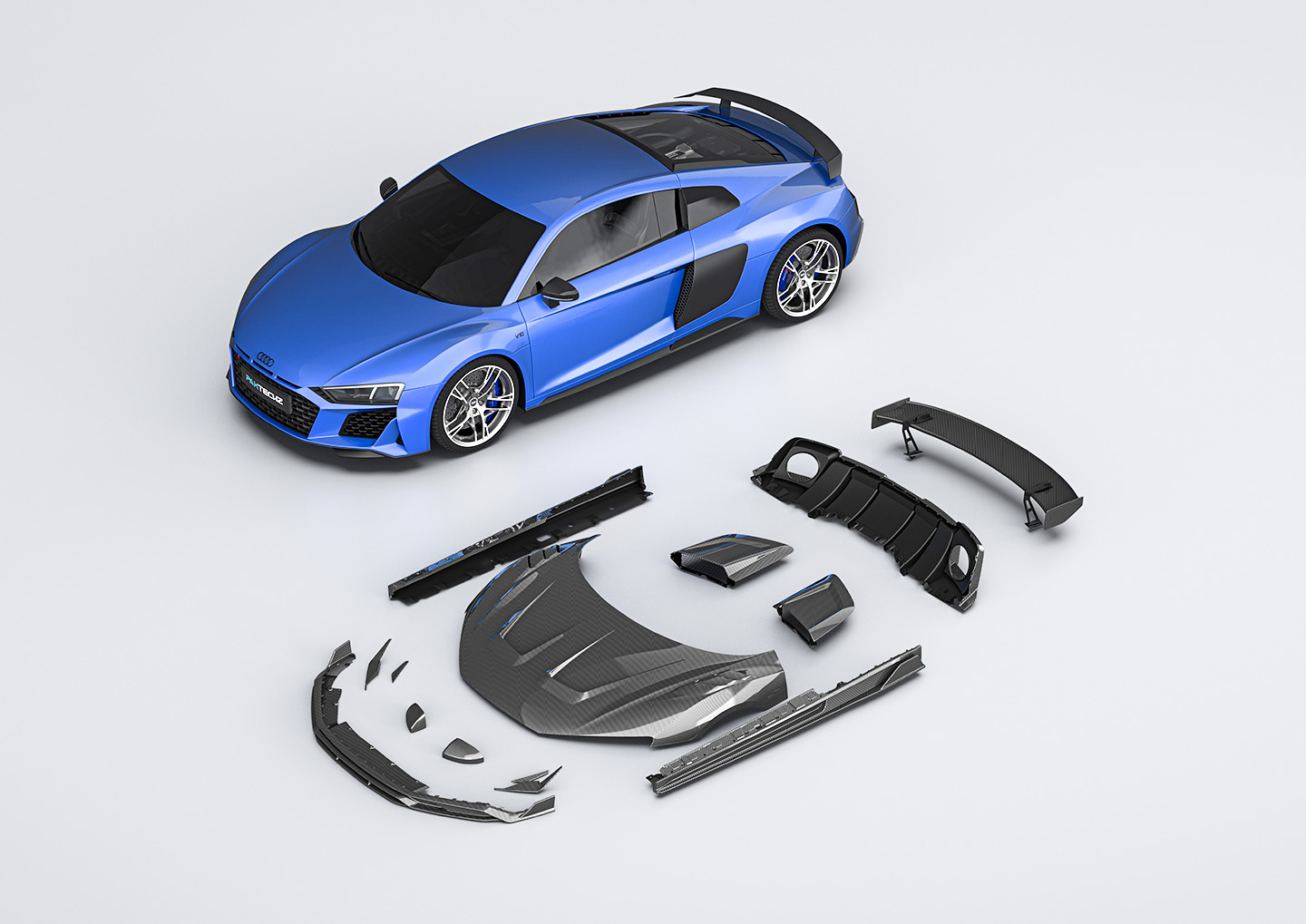
Let’s break it down by exploring the key points: its advantages, limitations, and overall suitability as a car body material.
What is Carbon Fiber?
Carbon fiber is a lightweight, high-strength material made from strands of carbon atoms woven into a fabric and reinforced with resin. Unlike metal, which is dense and prone to corrosion, carbon fiber delivers exceptional tensile strength while being far lighter — a combination that makes it ideal for uses in aerospace, motorsports, and, of course, automotive bodies.
But just because something is innovative doesn’t mean it’s practical or cost-effective for all applications. Let’s dive into the specifics.
Why Carbon Fiber for Car Bodies?
1. Lightweight Design
Perhaps the biggest advantage of carbon fiber is its remarkable weight savings compared to traditional materials like steel or aluminum. Carbon fiber panels can weigh up to:
50% lighter than steel
30% lighter than aluminum
This reduced weight significantly enhances a car’s performance, offering:
Improved Acceleration: Less weight means the engine has less mass to move.
Better Handling: A lighter car feels more nimble and responsive, delivering superior maneuverability.
Higher Efficiency: Lightweight cars require less energy to move, leading to better fuel economy or extended electric vehicle battery life.
2. Unmatched Strength
Carbon fiber offers exceptional tensile strength, meaning it can withstand heavy stress without deformation or damage. While it’s lightweight, it is durable enough to hold up against the demands of high-speed driving and other extreme pressures.
For high-performance vehicles, manufacturers love carbon fiber because it provides an ultra-rigid structure that enhances stability at high speeds.
3. Corrosion Resistance
Unlike steel, which can rust over time, or aluminum, which can oxidize, carbon fiber is highly resistant to environmental degradation. This makes it not only resilient but also longer-lasting when exposed to harsh weather or moisture.
4. Aesthetic Appeal
There’s no denying it — carbon fiber has a luxurious, futuristic aesthetic unmatched by most other materials. The signature woven pattern and glossy finish of exposed carbon fiber exude sophistication and exclusivity. It’s a popular choice in supercar design not just for performance but also as a status symbol.
Drawbacks of Carbon Fiber Car Bodies
While carbon fiber certainly has impressive qualities, it’s not without its limitations. Here are the key disadvantages to consider:
1. High Cost
Carbon fiber is expensive to produce due to its intensive manufacturing process. Woven fabric, resin infusion, and high-temperature curing must be handled with precision, driving up production costs. Here’s what you can expect:
A full
carbon fiber body on a car can cost upwards of $50,000–$100,000.
Even smaller carbon fiber panels for specific parts often cost thousands of dollars each.
This high price tag makes carbon fiber impractical for non-performance vehicles or budget-conscious buyers.
2. Difficult Repairs
While strong, carbon fiber doesn’t bend or dent like metal; it can crack or splinter under heavy impact. This means:
Repairs are expensive and often require specialized technicians.
In some cases, carbon fiber parts can’t be repaired and must be replaced entirely.
For drivers concerned about accidents or wear and tear, this fragility can make carbon fiber a less appealing option.
3. Environmental Concerns
Carbon fiber manufacturing is energy-intensive, and recycling carbon fiber remains a significant challenge. While metals like aluminum and steel can be widely recycled and reused, carbon fiber is often discarded after use. This makes it less eco-friendly than traditional materials.
4. Unsuitability for Regular Vehicles
The performance gains of carbon fiber (e.g., weight savings) are most valuable in high-speed, high-stress applications like racing. For everyday commuting or city driving, the benefits of carbon fiber may go largely unnoticed.
If performance isn’t a priority, the cost of carbon fiber outweighs its practical advantages.
When is Carbon Fiber Good for a Car Body?
Carbon fiber is undoubtedly a premium material, best suited for specific scenarios. Here’s when it shines:
Great for High-Performance Applications
Supercars, hypercars, and racecars are built with performance in mind. The weight savings, strength, and aerodynamics of carbon fiber significantly improve their speed and handling. Brands like Ferrari, McLaren, and Lamborghini extensively use carbon fiber in their vehicle designs for this reason.
Ideal for Luxury Aesthetics
For collectors or enthusiasts, carbon fiber is as much about status as it is about performance. Exposed carbon fiber on body panels or accents is a show-stopping design element that elevates a vehicle’s presence.
Perfect for Racing
On the racetrack, every gram counts. Carbon fiber bodies help racecars reduce overall weight, making them faster and improving fuel efficiency during events.
When Isn’t Carbon Fiber Worth It?
For the average driver, carbon fiber body panels might not be a cost-effective choice. In most cases:
The performance gains won’t be noticeable in everyday driving.
The cost of purchasing and repairing carbon fiber parts typically outweighs the benefits for regular vehicles.
Other materials like aluminum or advanced high-strength steel can offer a better balance of affordability, durability, and availability.
Alternatives to Carbon Fiber Car Bodies
If you admire the benefits of carbon fiber but prefer not to commit to a full carbon body, here are a few alternatives:
1. Carbon Fiber Reinforced Plastics (CFRP):
A blend of carbon fiber and plastic that’s stronger and lighter than traditional plastic while being more affordable than pure carbon fiber.
2. Aluminum Panels:
Aluminum is lightweight, corrosion-resistant, and much more affordable than carbon fiber, making it an excellent option for performance and economy vehicles alike.
3. Steel with Weight Reductions:
High-strength steel is heavier than aluminum or carbon fiber but still serves as the backbone of many modern vehicles due to its affordability and proven reliability.
Is Carbon Fiber Good for a Car Body?
Yes, carbon fiber is exceptional for automotive bodies, but it depends on the intended use. For high-performance cars, racing vehicles, and luxury collectors, carbon fiber delivers unparalleled performance, durability, and aesthetics. Its ability to reduce weight, increase strength, and resist corrosion makes it an engineering marvel.
However, for everyday vehicles or budget-conscious buyers, carbon fiber might not justify the cost. In such cases, alternative materials like aluminum or hybrid composites can offer similar benefits without the steep price tag.
Ultimately, carbon fiber’s suitability depends on your goals: if you want speed, elegance, and modern technology (and you’re willing to foot the bill), few materials compare. But for practicality and affordability, it might be better to explore lighter alternatives.

